Gịnị mere m na-ejikarị atụfu kama inwe mmasị? Mgbe ị na-ekwu maka ịzụ ahịa, enwere ọtụtụ ihe kpatara nkwekọrịta ma ọ bụ usoro nkwekọrịta nwere ike isi na-ezighị ezi ma mebie onye ahịa ahụ. A na-ekewa ihe ndị na-arụ ọrụ n'ime na n'èzí. Ọdịnaya nwere ike itinye uche nke onye na-ere ahịa, ihe ọmụma ha nwetara, ahụmịhe ha, na ụzọ ha. Ihe ndị dị na mpụga nke ndị ahịa na-enweghị ike ịchịkwa: ọnọdụ ahịa, ọnụego ọkọnọ na ọchịchọ, atụmatụ izugbe. N'isiokwu taa, anyị ga-eleba anya n'ihe niile na-akpata ọgba aghara.
Ihe kpatara ya
Ndị na-ere ahịa nwere ike ịmepụta ma melite ọdịnaya ihe. Ndị a na-adabere kpamkpam na onye na-ere ahịa na ọrụ nke onye ahịa na-ewepụ mmetụta ha na atụmatụ ịzụ ahịa ha.
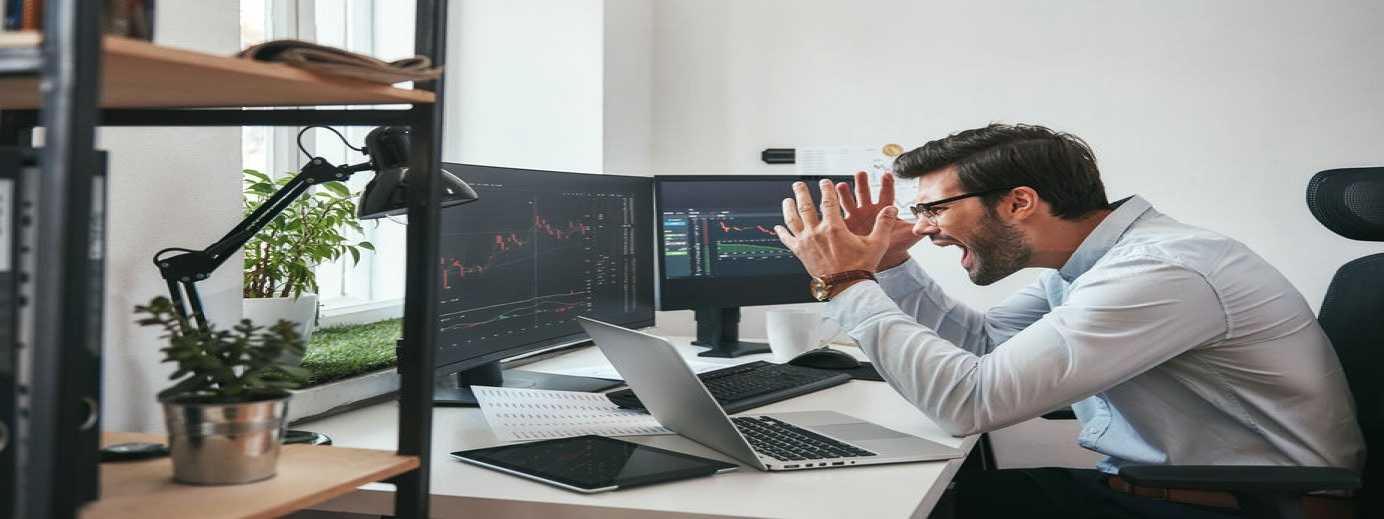
Ọnọdụ mmetụta uche. Echiche nke onye ọchụnta ego dị ezigbo mkpa. Tinyere ihe ndị ọzọ, ọnọdụ mmadụ na-azụ ahịa nwere ike ịkpata ọdachi. Ọ bụrụ na onye ọchụnta ego enwee nchegbu ma ọ bụ iwe, ọ ga-egosi ha nhọrọ ha. Ma ekwela ka m ghọta: ezigbo mmetụta adịghịkwa enyere gị aka. Obi ụtọ, obi ụtọ, na atụmanya mgbagwoju anya nwere ike imebi ihe.
Enweghị nghọta. Ụfọdụ ndị ahịa, na-agbalị ịgbanahụ ọzụzụ, na-abụkarị ndị robots, ndị ọzọ na-enweta enyemaka nke "ndị na-ahụ maka azụmahịa", na-emekarị ndị aghụghọ. Ụfọdụ na-adabere na chioma ma mgbe ụfọdụ na-azụ ahịa, na-enweghị nkwadebe ọ bụla. Ọ baghị uru ikwu, echiche nke ịzụ ahịa dị ka egwuregwu kwesịrị ịkwụsị na mfu. Ọ dị ọcha ichere enyemaka nke ndị ọzọ. Onye ọchụnta ego kwesịrị ịmụta ihe ha na-eme ma nwee ntụkwasị obi. Tupu ịzụ ahịa, ọ nwere ike ịbụ ezigbo echiche iji nyochaa oge kacha mma na nke kachasị njọ iji mepee ihe ọma ma ọ bụ ihe ọjọọ. Nhọrọ kwesịrị ekwesị nwere ike dabere na ọgụgụ isi, ọ bụghị akara aka.
Enweghị njikwa ihe egwu. Otu n'ime ihe kacha ebute ọdachi bụ mkpa maka nhazi nchịkwa ohere. Ndị na-ere ahịa na-ahụ omimi nke mfu tupu ha emechi azụmahịa ha, na-eleghara iji ihe na-agbanwe agbanwe na-etinye aka na nguzozi zuru oke nke "ihe ndị a kapịrị ọnụ".
Atụmanya dị elu. Ọtụtụ ndị ahịa kwenyere na ha na-akpata nnukwu ego. Ya mere, ha na-agbaba na ụlọ ahịa ahụ ma debe ya n'enweghị ndekọ. Otú ọ dị, ịzụ ahịa abụghị ihe dị mkpa, kama ọ bụ ihe dị mma. Ọchịchọ na-enweghị isi na-akpata naanị nsogbu, ya mere ọ ka mma ịdị umeala n'obi ma nọgide na-amụ na omume.
N'èzí
Ihe niile dị na ahia na-adabere na onye ahịa. Mmadụ nwere ike ịnwe atụmatụ doro anya nke na-arụ ọrụ nke ọma na mgbe niile na-emepụta ihe efu site n'oge ruo n'oge.
• The market is driven by people. Does this mean that wealth is still growing? That means more people are buying. More customers mean higher prices and assets can grow faster. But there is a lot of time, a lot of people want to buy at a higher price and they may think that they have already got it, in the hope that the price will go down. They may choose to sell. The more people sell, the lower the price of land and the lower the price.
This is a very general statement, but it shows how the public mind affects the market and this pattern is not dependent on business customers. It’s hard to stand out from the crowd and not be influenced by other people’s opinions, but marketers need to learn to evaluate the market and think for themselves.
Conclusion
To break a missing record, a trader must be prepared to act quickly and reliably. It is important to know the market and study the assets they trade. The risk management plan must be maintained in a proper and spiritual manner. Recuperating from harm can be troublesome, but misfortune is an inescapable portion of the closing exchange. How you deal with it and what you do to solve it is crucial.